Citizens Medical Center Shares Heart Failure Risk and Readmission Prevention
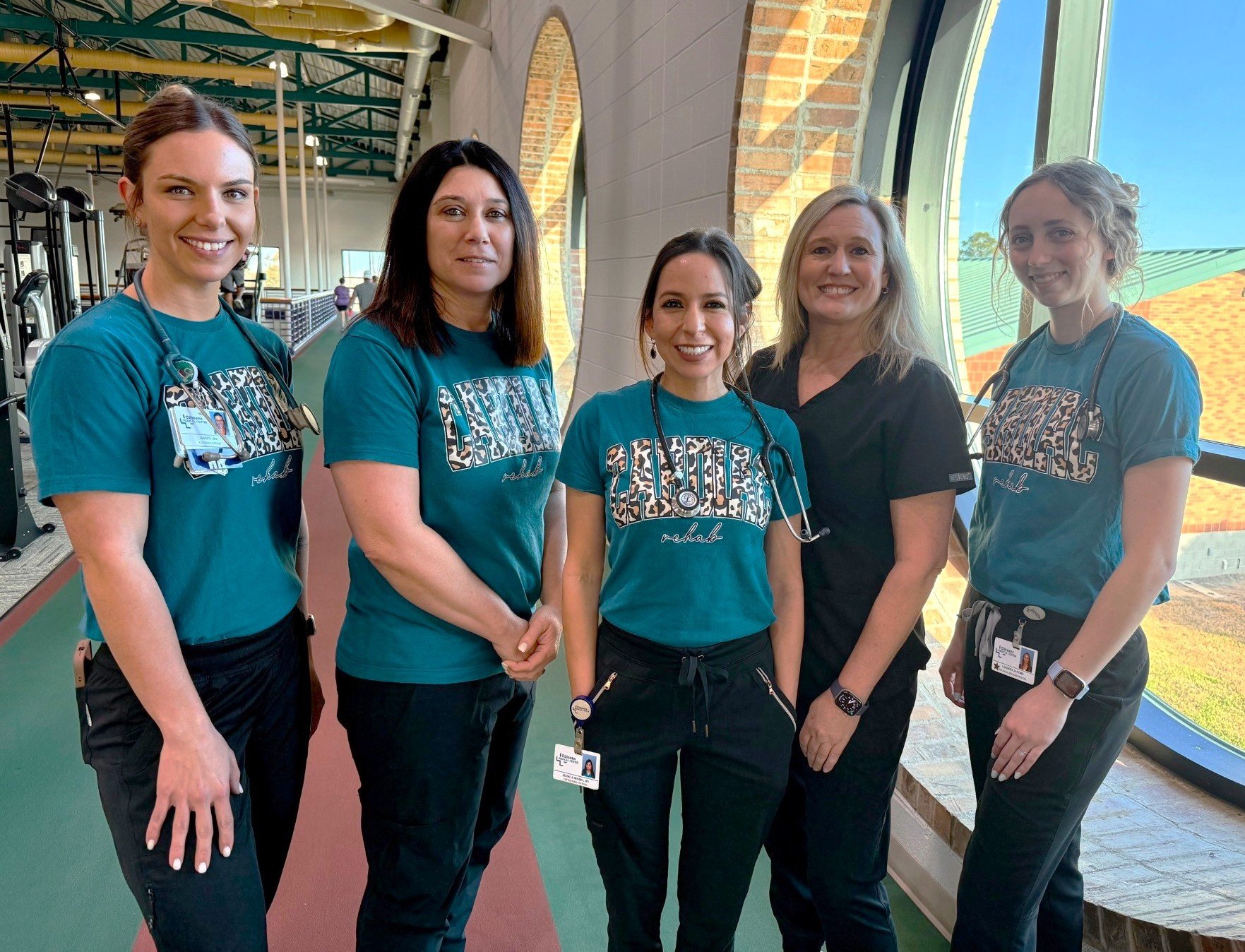
Laura Brown, APRN, FNP-C, is pictured with the Citizens Cardiac Rehabilitation team. Cardiac rehab programs play an important role in helping heart failure patients safely regain strength, improve heart function, and reduce the risk of hospital readmission.
Heart failure is one of the most common reasons adults over age 65 are hospitalized in the United States. But what many people don’t realize is that with the right care plan, education, and support, many hospital readmissions can be prevented.
During Heart Month, our cardiovascular team is sharing what you need to know about heart failure risk and how to stay healthy after diagnosis.
Heart failure does not mean the heart has stopped working. It means the heart is not pumping blood as efficiently as it should. When this occurs, the body may not receive enough oxygen and nutrients to function properly. Common symptoms include shortness of breath, swelling in the legs or feet, fatigue, rapid heartbeat, and sudden weight gain caused by fluid buildup.
“Many patients feel overwhelmed after a heart failure diagnosis,” said Laura Brown, APRN, FNP-C, Cardiovascular Nurse Practitioner at Citizens Medical Center. “But with education, close follow-up, and small daily habits, we can significantly reduce complications and help patients live full, active lives. In the heart failure clinic, we create individualized care plans that are tailored to the patients' symptoms, comorbidities and lifestyle.”
Several factors increase the risk of developing heart failure, including high blood pressure, coronary artery disease, previous heart attack, diabetes, obesity, smoking, family history of heart disease, and age over 65. Early screening and consistent medical care are essential for those with one or more of these risk factors.
Patients diagnosed with heart failure are encouraged to take medications exactly as prescribed, monitor their weight every morning and report gains of two to three pounds in 24 hours or five pounds in one week, follow a low-sodium diet, attend follow-up appointments within seven days of discharge, and stay physically active according to their provider’s recommendations.
Simple tools can make these goals easier to manage. Setting phone alarms, using a pill organizer, keeping a written medication schedule, or maintaining a daily weight log can help patients stay on track and recognize changes early. By building small, consistent habits and communicating promptly with their care team, many complications, and hospital readmissions, can be prevented.
“Heart failure management doesn’t end at discharge, it is a progressive disease that requires close monitoring.” Brown added. “The earlier patients communicate changes in their symptoms, the more effectively we can intervene and prevent another hospitalization.”
Recognizing warning signs early is key. Patients should contact their healthcare provider if they experience increased shortness of breath, swelling, persistent coughing, rapid weight gain, chest discomfort, or extreme fatigue.
The Citizens Cardiovascular team also stresses the importance of a strong support system. Family members and caregivers play an important role in helping patients manage medications, attend appointments, and maintain heart-healthy habits. Through coordinated cardiovascular care and patient education, the hospital remains committed to improving outcomes and supporting long-term heart health across the community.
During Heart Month and throughout the year, Citizens Medical Center encourages individuals to prioritize heart health and seek guidance if they have concerns about heart failure risk or management.
For more information about cardiovascular services at Citizens Medical Center, visit CITIZENSMEDICALCENTER.ORG or call Citizens Cardiovascular Associates at (361) 573-0756.
About Citizens Medical Center
Citizens Medical Center is a trusted healthcare provider dedicated to delivering compassionate, high-quality care to the Victoria community and surrounding areas. With a comprehensive range of services, including advanced cardiovascular care, Citizens is committed to improving the health and well-being of the communities it serves.