Six Years Later: Victoria Reflects on the Lasting Impact of the COVID-19 Pandemic
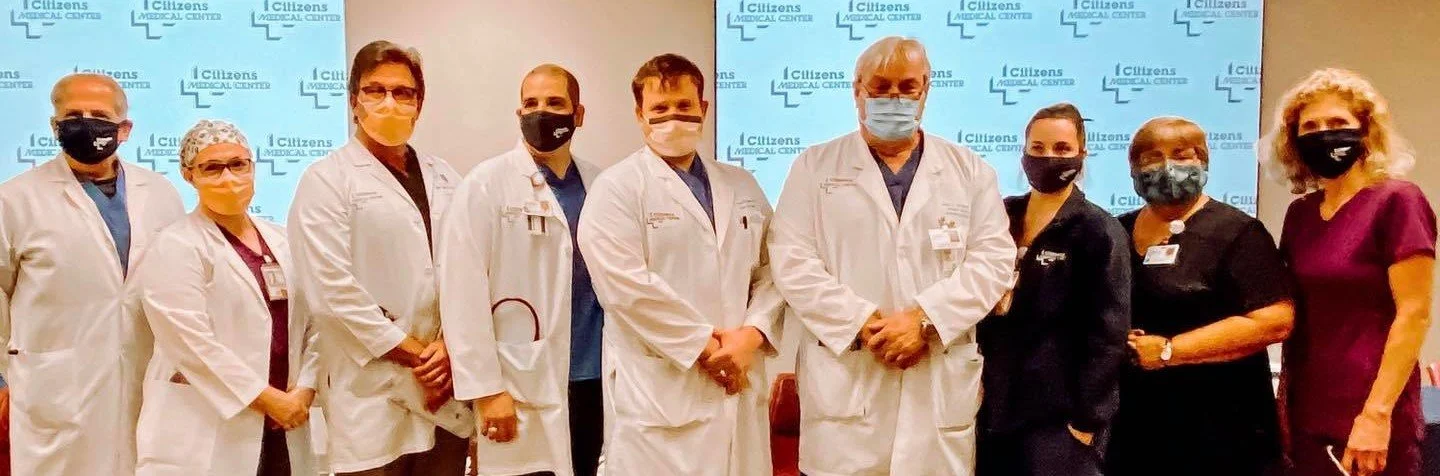
In March of 2020, the streets of Victoria grew quiet. Store shelves emptied, schools closed, and families watched daily briefings hoping for answers about a virus no one fully understood. Hospitals prepared for the unknown, healthcare workers stepped into exhausting shifts, and a community braced itself for what would become one of the most challenging chapters in its history.
Today, the community has largely returned to a more familiar rhythm. Businesses are open, families gather again, and traffic once again fills the streets. Those who lived through the COVID-19 pandemic, however, say the experience left a lasting mark on Victoria and the people who call it home.
“This was new to everyone,” said Dr. John McNeill, Director of Emergency Services at Citizens Medical Center and Victoria’s Local Health Authority. “When we first heard about it, we had to research what it even was. We truly did not know what was to come.”
On March 13, 2020, Dr. McNeill joined David Gonzales, Director of the Victoria County Public Health Department, along with city and county leaders to activate the Emergency Operations Center (EOC).
Just days later, Victoria confirmed its first three COVID-19 cases on March 24, 2020.
During the height of the pandemic, the emergency operations team met daily for months, holding press conferences to keep the public informed with the latest case numbers and health guidance.
“It was surreal,” McNeill recalled. “Driving down Navarro and seeing no cars. The whole world seemed to stop.”
Victoria was hit particularly hard during the pandemic. At one point, the city had one of the highest transmission rates in Texas, while Texas itself had some of the highest rates in the country. In total, 368 people in the Victoria area lost their lives to COVID-19.
Despite the challenges, community leaders say the crisis brought people together in remarkable ways.
Local agencies including public health officials, emergency medical services, fire departments, law enforcement, hospitals, and healthcare workers worked side by side throughout the pandemic.
At the same time, local businesses and residents stepped up to support frontline workers, delivering meals, snacks, and handwritten notes of encouragement to hospitals and healthcare facilities. These simple gestures helped lift spirits during long and difficult shifts.
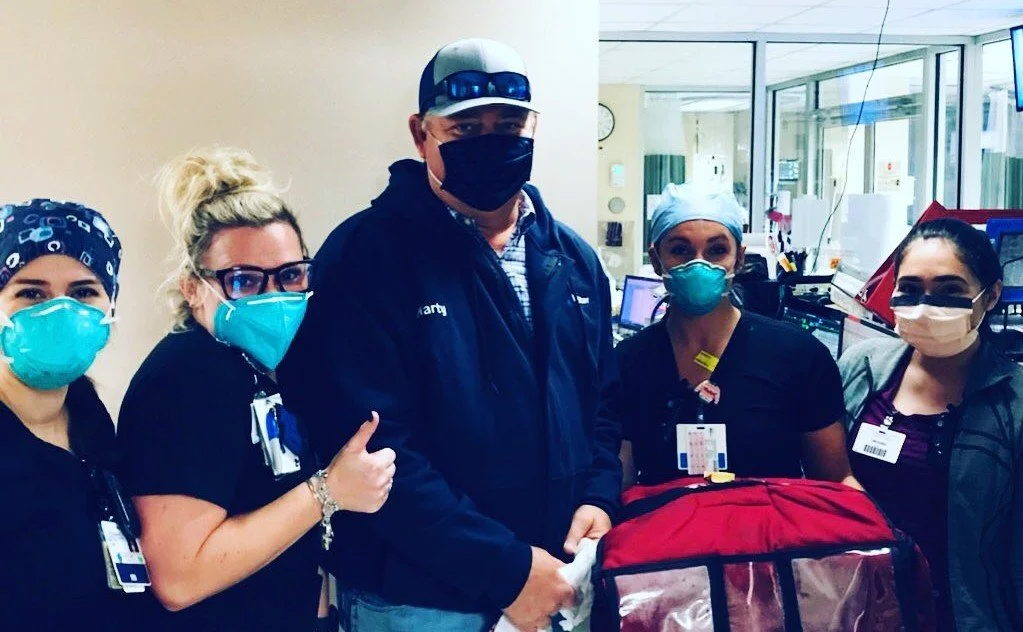
“The community came together for the good of everyone,” McNeill said. “There was no hint of personal gain or anything negative. Everyone focused on helping Victoria get through it.”
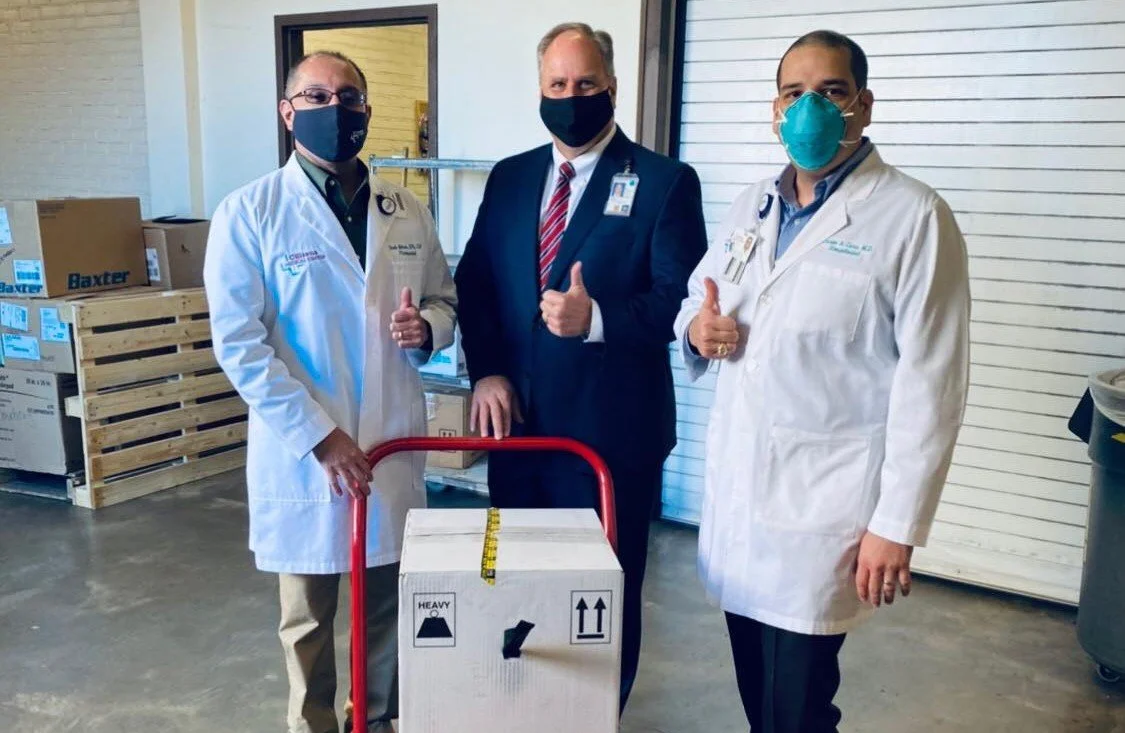
Citizens Medical Center played a leading role in the community’s vaccination effort when vaccines first became available. The hospital received Victoria’s first shipment of COVID-19 vaccines on December 17, 2020, and Dr. McNeill received the first vaccine live on the local news to demonstrate its safety.
Soon after, Gonzales and the Victoria County Public Health Department organized mass vaccination clinics at the Victoria Community Center, with support from healthcare workers, EMS personnel, and community volunteers.
While the worst of the pandemic has passed, healthcare providers still see lasting effects from the virus.
According to Lisa Atzenhofer, Director of Cardiopulmonary Services at Citizens Medical Center, some patients continue to experience “Long COVID Syndrome,” meaning their lung function has not fully returned to normal after infection.
Early in the pandemic, clinicians also saw increased cases of blood clots in the extremities, though those complications have become less common.
Patients hospitalized with COVID today generally experience less severe illness and are far less likely to require ventilator support compared to the early months of the pandemic.
“In the beginning there were many unknowns,” Atzenhofer said. “We used much stricter isolation procedures because we didn’t yet know how COVID spread.”
COVID-19 cases still appear sporadically in the community, and healthcare providers continue to monitor for potential increases.
“A lot of improvements came out of a terrible situation,” Gonzales said. “We definitely grew. We are used to preparing for outbreaks, but COVID was different. No one knew what it was and no one was fully prepared.”
Healthcare leaders say the experience strengthened infection control practices and improved preparedness for future public health emergencies. Most importantly, they say it reinforced the power of collaboration.
“Everyone put their lives on hold to do what was best for the community and our patients,” McNeill said. “It was one of the most trying times our world has faced, but it also showed what Victoria can accomplish when we work together.”

Six years later, the masks may be gone and the streets are busy again, but the memory of those days remains. The 368 lives lost in the Victoria area are not just numbers, they were parents, grandparents, friends, neighbors, and patients whose absence is still felt today. The pandemic tested the strength of an entire community, but it also revealed its compassion, resilience, and willingness to stand together when it mattered most. Those lessons, and those lives, will never be forgotten.
As the community reflects on the lessons of the pandemic, healthcare leaders encourage residents to continue protecting themselves and others by staying home when sick, practicing good hand hygiene, and remaining mindful of respiratory illnesses that can still affect vulnerable populations.